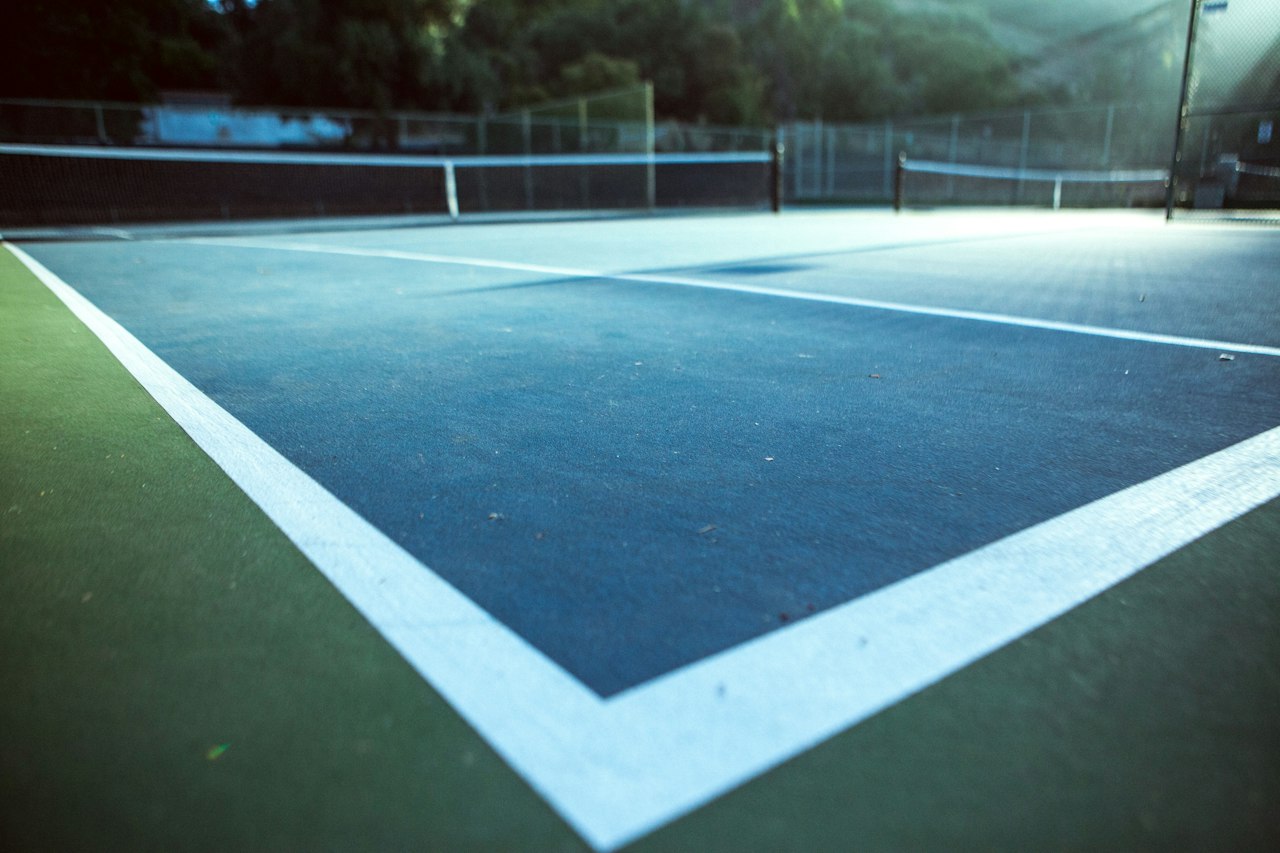
Picking up a racket after years away feels a lot like opening a box of old photographs. The memories come back fast, but the body does not always agree with what the mind remembers. Plenty of adults return to tennis after a long gap caused by school, work, or raising a family, and the first few weeks usually decide whether the game sticks or fades away again.
The good news is that tennis is one of the most forgiving sports to return to, as long as you approach it with a plan. This guide walks through what to expect, how to pace yourself, and how to build a routine that keeps you on court for the long run.
Why the first weeks matter most
When you come back after a long break, your hand-eye coordination is often better than your conditioning. You can still picture the perfect forehand, yet your legs and shoulder have not done that kind of work in a long time. That gap between what you remember and what you can do is where most overuse injuries and frustrations begin.
Starting with a structured approach closes that gap safely. Many returning players find that adult tennis lessons in Glendale give them a clear starting point, because a coach can see where your technique has held up and where it needs rebuilding. Instead of guessing, you work on the right things in the right order.
Start with movement, not power
Most people try to hit hard in the first session because that is how they remember playing. Resist that urge. Footwork and balance come first, since clean movement makes every stroke easier and protects your joints.
Spend your early sessions on a few simple habits:
- Split step as your opponent hits, so you are ready to move in any direction.
- Small adjustment steps before contact instead of reaching for the ball.
- A relaxed grip, which reduces tension in the forearm and elbow.
- Recovering to a balanced position after every shot.
These details feel basic, yet they are exactly what separates a smooth rally from a tiring one. If you build them first, power arrives naturally later.
Rebuild your strokes in a sensible order
A good return plan follows the natural rhythm of the game. Begin with the forehand and backhand from the baseline, because these strokes carry most rallies. Once the groundstrokes feel steady, add volleys at the net, then the serve, and finally the overhead. Serving is demanding on the shoulder, so giving it a few weeks of gentle practice before pushing for speed is a smart habit.
Short sessions work better than long ones at the start. An hour of focused work, with plenty of water and a proper warm-up, beats a three-hour marathon that leaves you sore for a week. Rest days are part of the plan, not a sign of weakness.
Choosing the right format for your level
One of the best parts of returning as an adult is that you can match the format to your mood and your goals. Group sessions are lively, affordable, and great for rebuilding rhythm, with players grouped from beginner through advanced. Private and semi-private sessions give you more individual feedback, which is useful when you want to fix one specific habit. Some players enjoy fast-paced formats where the coach feeds balls and you play doubles points, since it brings back match intensity without the pressure of keeping score for a full set.
Social match play is the reward that keeps many adults coming back. Once your strokes feel reliable, doubles with friends turns practice into something you look forward to all week.
Find a coach who understands where you are
A returning player has different needs than a first-timer or a competitor. You are not learning the game from scratch, and you are not chasing a ranking. You want someone who respects your history, spots the technical drift that crept in, and sets goals you can actually hit. That is why it helps to work with certified coaches who have experience across ages and abilities. Credentials matter less than the ability to explain things clearly, so ask about their approach before you commit.
Practical tips for staying consistent
Consistency beats intensity every time. Pick two regular days each week and treat them like appointments. Pack your bag the night before, so there is no excuse in the morning. Keep a simple note of what you worked on, because progress is easy to miss when it happens in small steps.
It also helps to choose a venue that makes showing up easy. Outdoor hard courts, free parking, and quick freeway access remove the small frictions that cause skipped sessions. When getting there is simple, you are far more likely to keep the habit alive through busy weeks.
Look after your body
Tennis rewards a little preparation outside the court as well. Gentle shoulder and hip mobility work, some light strength training for legs and core, and a proper warm-up before each session all reduce the risk of setbacks. If something hurts in a sharp or lasting way, stop and get it checked rather than playing through it. A short pause now saves a long layoff later.
Give yourself a realistic timeline
Most returning players feel clumsy for the first two or three weeks, then notice a sudden jump as muscle memory wakes up. By the second month, the game usually feels familiar again, and by the third you can start setting new targets, such as holding longer rallies or finally trying that kick serve. Be patient with the early awkward phase. It passes quickly for people who show up regularly.
Final thoughts
Coming back to tennis is less about proving what you used to do and more about enjoying what you can do now. Start slow, protect your body, build a routine, and lean on good coaching to speed up the process. Within a few months, the court can feel like home again, and the sport that once filled your weekends can do so once more.