Almost every first-time Croatia itinerary has the same two things circled: Plitvice Lakes and the coast. The problem is geography. Plitvice is up in the hills of central Croatia, while Split and Dubrovnik sit far down the Adriatic. Get the order wrong and you end up driving back and forth, seeing the lakes at noon with every other bus in the country.
Get it right and Plitvice becomes the hinge of the whole trip, the place where the inland half of Croatia turns into the coastal half.
Why Plitvice works as a bridge, not a day trip
The park sits roughly two hours by road from Zagreb and about the same from Zadar. Split is closer to three. That makes a day trip from the coast a long, tiring loop, but it makes Plitvice a perfect stop on the way south.
The route most people end up happiest with runs from north to south. Fly into Zagreb, spend a day or two there, drive to Plitvice and sleep nearby, then continue down to the coast the next afternoon. You arrive in Split or Šibenik without having doubled back once. This is how most well-planned private tours Croatia travelers book are built, because it turns the long drive into two short ones with something worth seeing in the middle.
Sleep near the park, walk it early
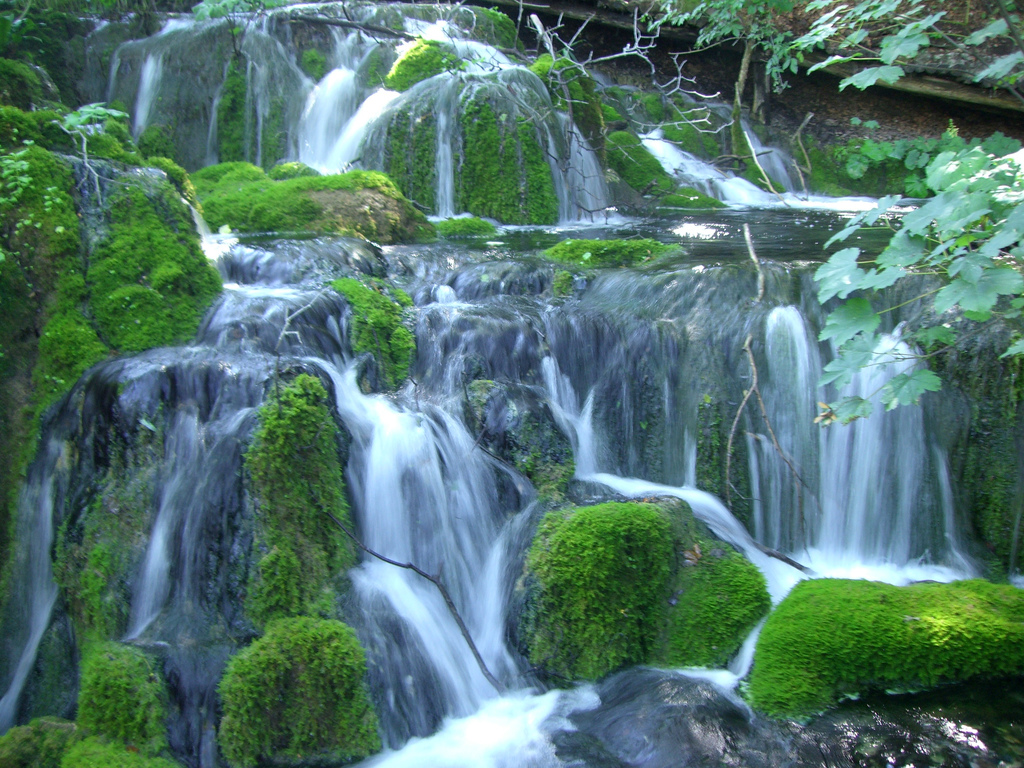
This is the single biggest difference between a good Plitvice day and a disappointing one. The park is a chain of 16 terraced lakes joined by waterfalls, with wooden boardwalks running across and beside the water. Those boardwalks are narrow. By late morning in summer they move at the pace of the slowest group on them.
Stay the night in one of the guesthouses around the park and you can be at the entrance when it opens. The water is at its most vivid in that early light, the boardwalks are nearly empty, and you can stop wherever you like for photos. By the time the coaches arrive, you are on the electric boat across Lake Kozjak and heading for the quieter upper lakes.
In the busy months the park sells tickets with a set entry time, so buy online ahead instead of hoping to walk up. And keep your swimsuit packed. Swimming is not allowed anywhere in the park, however inviting the water looks.
Lower lakes or upper lakes?
If time is short, the lower lakes give you the famous views, including Veliki Slap, the tallest waterfall in Croatia at about 78 metres. The upper lakes are longer, greener and calmer, with more of the stepped cascades where the water spills from one terrace to the next.
Most people should plan four to six hours and do both, using the boat and the park's panoramic shuttle to link them. It is a gentle walk rather than a hike, but it adds up, so wear proper shoes.
Picking your first coastal base
From Plitvice, the coast opens up in a few directions. Zadar is the closest, with its sea organ and sunsets over the islands. Šibenik is smaller and quieter, and a good base for Krka National Park, where the waterfalls are a very different experience from Plitvice. Split is the obvious hub, with Diocletian's Palace at its centre and ferries out to Hvar, Brač and Vis.
From there, the classic finish is the drive or ferry down to Dubrovnik. Leave two full days there at least. The city walls alone deserve a morning, ideally an early one before the day-trippers arrive.
How many days you actually need
Here is a pace that does not feel rushed:
- Zagreb: 2 nights
- Plitvice: 1 night
- Split, with a day out to Hvar or Trogir: 3 nights
- Dubrovnik: 3 nights
That is nine nights, ten days. You can squeeze it into a week, but something has to give, and it is usually the evening in the old town that people remember most. If you have longer, add Istria at the start or a few nights on an island in the middle.
Why the driver matters on this route
The roads are good, but this is a trip of transitions, and the transitions are where self-drive trips lose time. Finding parking in Split's old centre in July is its own small adventure. Ferry timetables change with the season. A border crossing comes into play if you add Montenegro at the end.
This is where Croatia luxury private tours earn their keep. Your driver knows which ferry to aim for, which viewpoint to stop at on the coast road, and how to time the Plitvice entrance so you get the lakes before the crowds do. You spend the travel days looking out of the window instead of at a map.
The short version
Go north to south. Sleep near Plitvice and walk it early. Give Split and Dubrovnik real time instead of one rushed afternoon each. Do that, and the two halves of Croatia stop competing for your days and start fitting together.